BarbieMATTEL · BRAND STEWARDSHIP · GLOBAL BRAND CREATIVE
Sometimes the most important thing a brand can do is let people tell their own stories.
Shaping how Barbie shows up in the world.
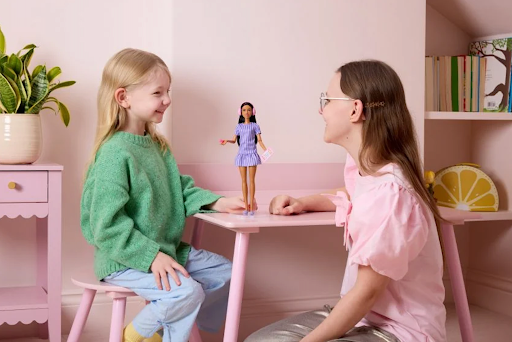
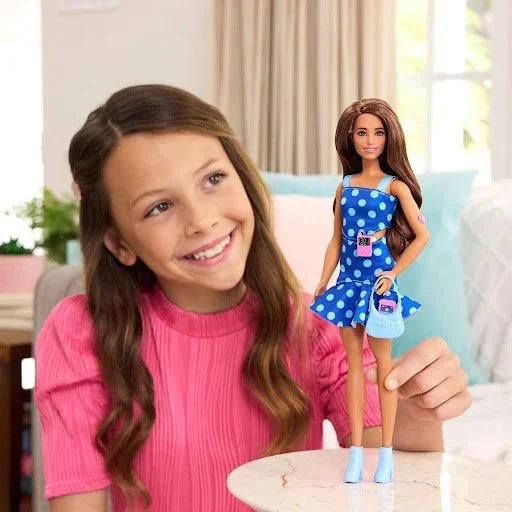
Barbie has always been more than a doll. People have their own relationships with the brand, shaped by their identities, experiences, memories, and aspirations. Part of my responsibility is making sure the way Barbie shows up in the world reflects and respects that.
Barbie has historically been focused on kids, from its marketing to the creative guidelines that shape how the brand shows up. But there's a much broader audience with their own relationships to Barbie, and we needed to find ways to speak to them without losing the connection with kids.
My role has been to help expand that thinking across the brand. Through individual campaigns, but more foundationally, through the creative strategy, partnerships, and storytelling behind them. A big part of that work is to shift the core messaging from relying on which dolls are available to giving people the freedom to define who and what they can be for themselves. And with Barbie’s enthusiastic support.
From creative strategy and organizational alignment to cultural experiences and representation.
Our Strategic Opportunity
-
Barbie has an incredibly strong brand identity and a long history of connecting with kids. But much of our marketing infrastructure and creative guidance was built around that audience. As we started looking at more opportunities to connect with adults, we needed to think about how our creative approach could support those relationships while keeping Barbie recognizable and consistent.
And as we expanded into different cultural experiences and representation initiatives, the questions became bigger than how to execute individual campaigns. We needed to think about how Barbie should show up in those spaces, whose perspectives we were bringing into the work, and what it would take to make those experiences meaningful.
For me, that's the interesting part of working on a brand like Barbie. There's so much history and meaning already there. The opportunity is to open the aperture, bring more people into the brand, and figure out how to evolve without losing what makes Barbie, Barbie.
-
Barbie already has generations of people who have their own connections to the brand. Kids who are discovering what they love and imagining what they might become. Adults who grew up with Barbie and have memories tied to her. And people whose connection to Barbie isn't about being a parent or even necessarily about having played with the dolls. They connect with what Barbie represents, or what they want her to represent.
We needed to understand those relationships rather than assuming everyone came to the brand in the same way.
One of the things that came through in our research was that people wanted Barbie to feel more real. They wanted her to be less perfect. And that was really interesting to me, because Barbie has always stood for possibility. But there's a difference between showing someone all the things they could be and giving them the freedom to decide what they actually want to be.
That insight opened up a different way of thinking about how we connect with audiences. Instead of always defining the possibilities for them, we could create experiences where they brought their own identities, interests, and perspectives into the brand.
-
The 2023 Barbie film created an enormous cultural moment. It brought Barbie into conversations that extended far beyond toys and gave us an opportunity to connect with audiences who were engaging with the brand in new ways.
The challenge was figuring out how to build on that momentum. We hadn't yet fully translated the cultural response to the film into ongoing experiences and connections with those audiences. And I didn't think the answer was simply to show up somewhere culturally relevant and try to be cool. We needed to understand why people wanted to engage with Barbie and what we could contribute to those experiences.
For me, that connects directly to how I think about representation, too. I come from a social-impact background, and that influences how I approach creative storytelling. When we're representing a community, we have to recognize that no single doll or story can represent everyone's experience. There's a difference between creating a representation and suggesting it's the representation.
That changes the creative questions we're asking. Are we telling people who they can be, or giving them room to define that themselves? Are we telling a community's story for them, or creating a platform where they can tell it?
Across these different opportunities, my approach is to start with the business objective, understand the audience or community we're trying to connect with, and then find the creative direction that respects both. Sometimes Barbie should lead the conversation. Other times, the most meaningful thing we can do is give people the platform and let them own their stories.
So I am looking at what we're trying to accomplish from a business perspective, understanding what different audiences actually want from Barbie, and figuring out where the brand can participate in a way that feels genuine and meaningful to them. Sometimes that's creating an experience where people define Barbie for themselves. Other times it's recognizing that the people we're representing should be the ones telling the story. And it’s always about ensuring that no matter which initiative we’re working on, that we are centering our audience and creating the space for real connection.
I lead the creative direction which involves overseeing brand creative and governance, collaborating across departments across the organization, working with executive leadership, managing agency partners, and leading our in-house team to turn business priorities into creative strategies and experiences.
Implementation & Execution
Where does Barbie fit into Gen Z culture?
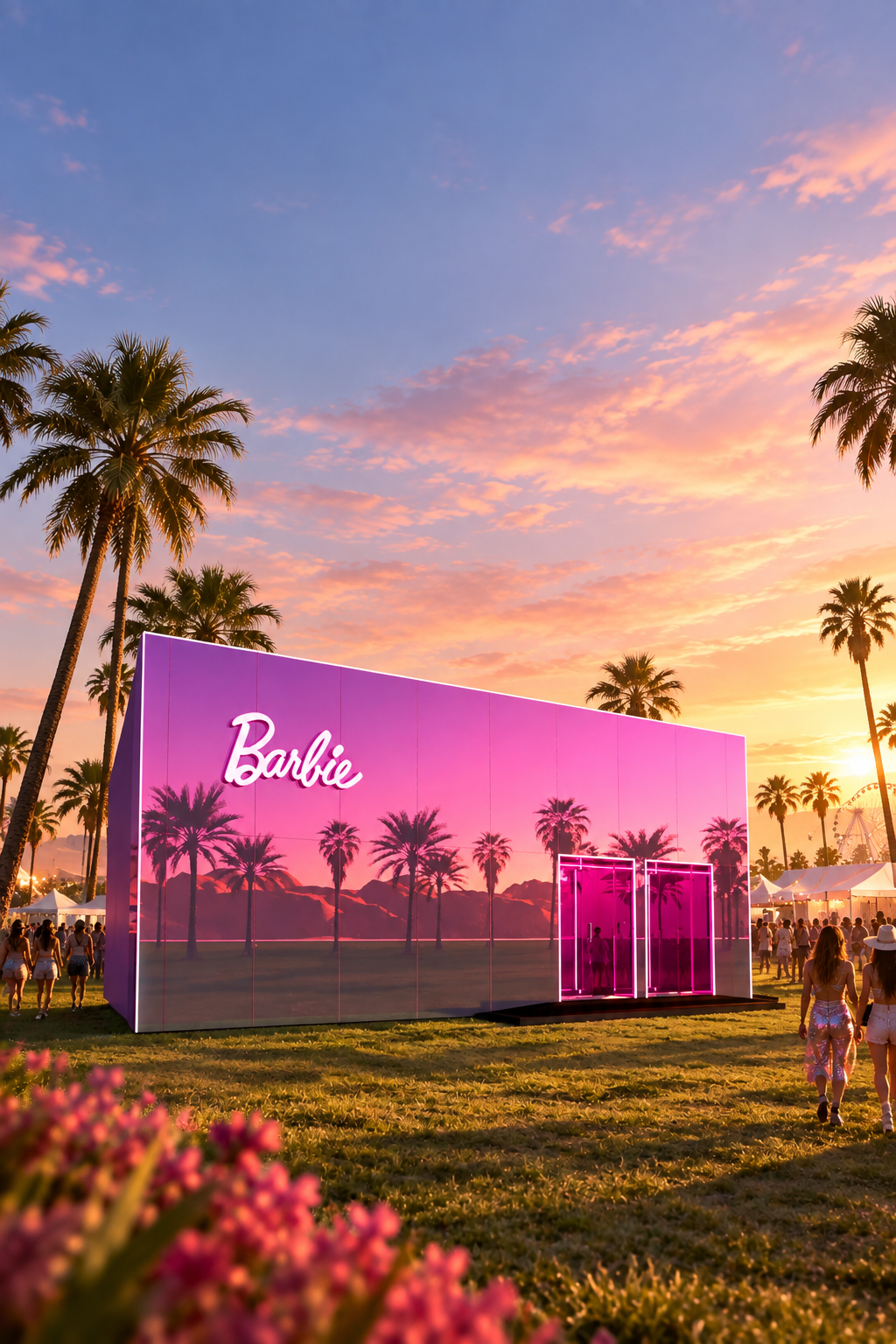
Coachella 2026
-
The original brief was essentially to make Barbie cool to Gen Z. We had our goal, and needed a solid strategy because Gen Z is very aware of brand authenticity. We wanted Barbie to have a meaningful presence in a cultural space where this audience was already spending time, and to build on the connection the brand had made with younger adults following the film.
We considered a few different festivals, including Austin City Limits, but Coachella made the most sense for the audience we wanted to reach. And if we were going to show up there, I felt strongly that we needed to do it properly. You can't enter an environment like that with an experience that doesn't live up to the brand or the expectations of the people you're trying to connect with. You risk losing them before you've even had a chance to build a relationship.
-
One of the biggest things I pushed for was making sure we had the right investment and creative direction behind the experience. We needed to think beyond just having a Barbie presence at Coachella and figure out what we actually wanted people to take away from it.
The research gave us an interesting starting point. People wanted Barbie to feel more real, less perfect. And I loved that because it gave us a way to approach the experience that wasn't about showing people another version of who Barbie thinks they can be. It was about letting them decide for themselves.
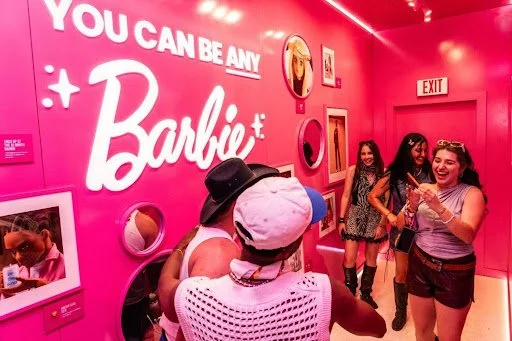
That's where You Can Be Any Barbie came from. We built the creative strategy around self-expression and giving people the opportunity to make Barbie their own.
I had to make the case internally that this couldn't just be a smaller activation with a big name attached to it. We needed the investment to create something people would actually want to participate in, and the right teams and partners involved from the beginning. So a big part of my role was connecting the creative vision to what we were trying to accomplish as a business, showing leadership what it would take to deliver it, and getting everyone aligned around the same direction.
Option A — Designed together from the beginning
I also wanted the idea to work for people who would never set foot at Coachella. So we thought about the physical experience and the creator experience together. Everything we built needed to give people something to participate in, but also something that could be shared and interpreted by audiences following along online. The goal wasn't just to create a great experience at the festival. It was to give the idea a life beyond it.
Option B — Physical experience first, amplified through creators
We focused on making the experience at Coachella something people would genuinely want to participate in. Then we built a creator strategy that could take that experience beyond the festival. The important thing was choosing people who could bring their own interpretation of Barbie into the story, rather than just having them show up and promote an activation.
-
I led the creative for You Can Be Any Barbie, from the initial concept through the experience on-site, working with our agencies, internal creative teams, and partners to make sure everything came together around the same idea.
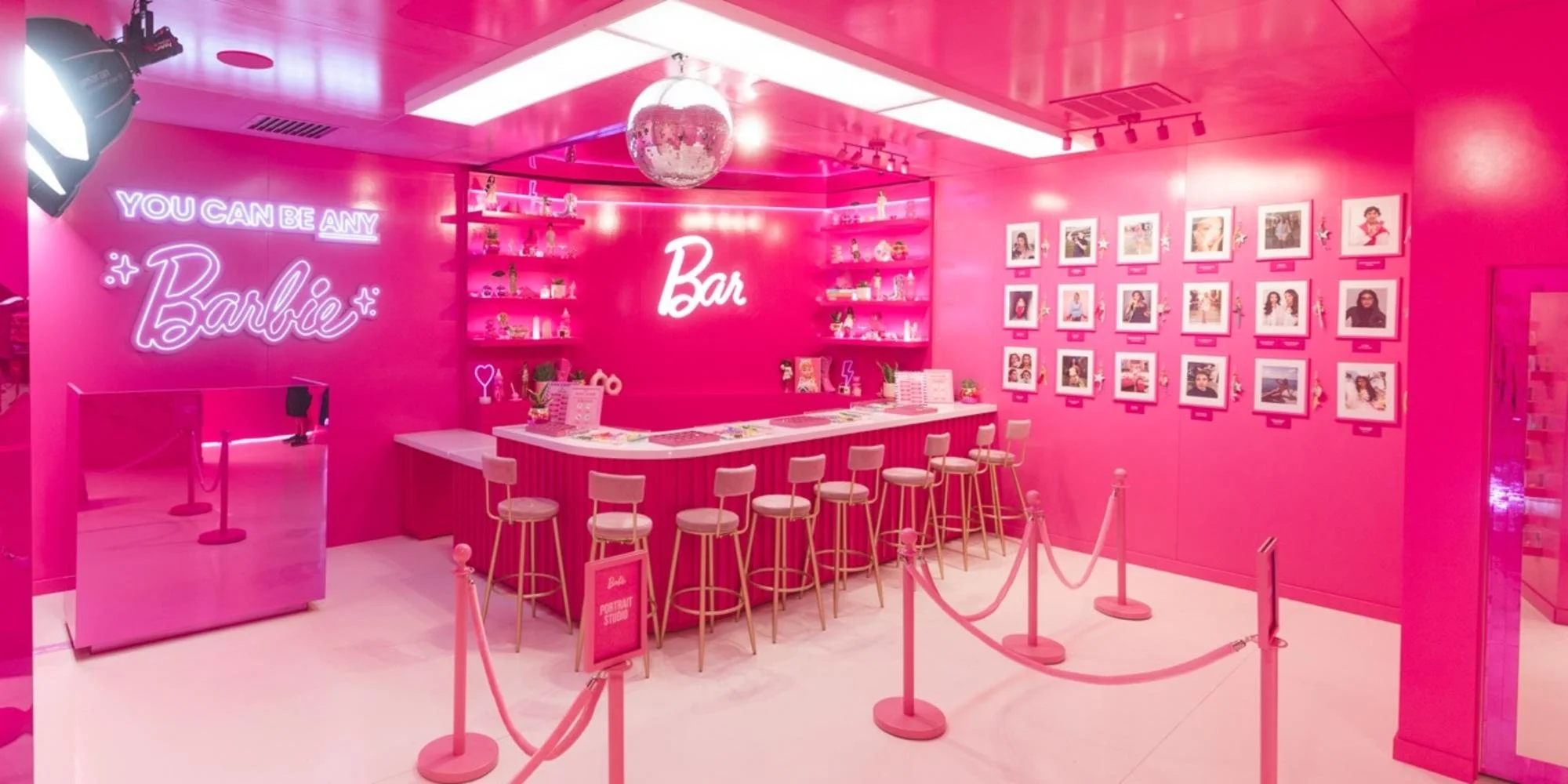
We created a persona gallery that showed different, unexpected interpretations of Barbie, rather than just the familiar, perfect versions people might expect. We had a charm bar and portrait studio where guests could create something of their own. Everything was designed to give people something to make, explore, or share.
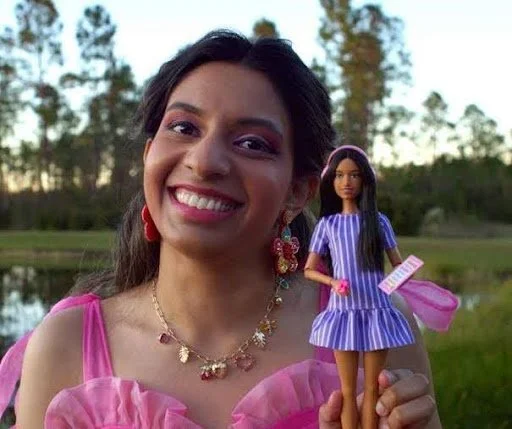
The creator strategy was another big part of it. We were really intentional about who we brought in. It wasn't just about finding the biggest names. We wanted people who made sense for the story, from someone like Paris Hilton, who has such a long relationship with Barbie, to emerging talent like Olandria.
I was overseeing the creative direction while bringing together experiential, creators, communications, retail, partnerships, social, production, our agencies, and our internal teams. There were a lot of different pieces, but they all needed to feel like one Barbie experience.
What I loved was seeing how people took the idea and made it their own.
We gave guests ways to express themselves through the experience, and our creators brought their own personalities and interpretations of Barbie into the content they shared.
And the participation went well beyond what we'd planned. We had 17 contracted creators, each committed to one post. Together, they ended up producing around 600 pieces of content mentioning Barbie. We saw people sharing their experiences across TikTok, Instagram, YouTube, and other platforms, including longer recaps after the festival itself.
Olandria became a particularly important part of the conversation. She was an emerging talent when we partnered with her, and the response showed why choosing creators for cultural relevance and fit matters. You can see how her career has grown since!
For me, that was a very exciting part of this work. We created the environment and the idea, and people brought their own stories to it.
The Impact
206.3M+
Creator content views
15x
Barbie TikTok follower growth during Coachella versus the pre-event baseline
#1
most talked-about brand at
Coachella 2026
Beyond the reach and engagement, the experience demonstrated what Barbie could do when we gave people more ownership of how they participated in the brand.
We generated significant organic conversation, brought new audiences into Barbie's social channels, and created opportunities for partnerships beyond the event itself, including a Dunkin partnership secured afterward.
To me, that's what makes this kind of work valuable. It isn't just about having a successful moment at Coachella. It's about what that moment tells us about the audience, how the brand can show up in culture, and what opportunities it creates for the future.
Building Foundation
One of the things I think about with work like this is what happens next.
We've now created a way for Barbie to participate in a space like Coachella that feels relevant to the audience and true to the brand. And we've learned something about what people respond to when we give them the freedom to make Barbie their own.
If we were to do it again, I'd want to build on that rather than start over with a completely new idea. There are opportunities to deepen the experience, expand the partnerships, and find new ways for people to participate, both at the festival and beyond it.
I don't know yet whether we'll return to Coachella or what that might look like. But I think the bigger opportunity is taking what we learned and using it to inform how Barbie shows up in other cultural spaces.
That's how I think about creative strategy. You want the work to succeed in the moment, of course. But you also want it to create something you can keep building on.

How does Barbie become part of the conversation without becoming the whole conversation?
Autistic Barbie
-
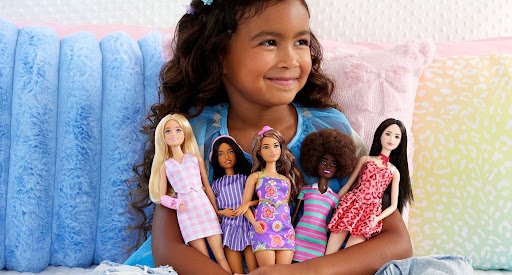
Representation has been an important part of Barbie's work for a long time. The Fashionistas line has continued to introduce dolls that reflect more of the people and experiences we see in the world. And with each new doll, there's an opportunity to help more people see themselves in Barbie.
But there's also a responsibility that comes with that. When you're representing a real community, particularly one whose experiences aren't always understood or visible, you have to think carefully about how you're telling that story.
For me, coming from a social-impact background, that was a big part of what I brought to these launches. We weren't just introducing new dolls. We were creating opportunities for people to see their own experiences reflected in a brand that has been part of so many lives.
And I wanted to make sure we were approaching that in a way that was genuinely meaningful to the communities we were representing.
-
One of the things I felt strongly about with Autistic Barbie was that autism is a spectrum. There's no single experience that represents everyone, and no one doll could possibly do that.
So I pushed for us to be really thoughtful about how we positioned the launch. This was a representation, not the representation. That distinction was important because we wanted people to recognize themselves in the doll without suggesting that Barbie was defining what autism looks like.
I also wanted to change how we approached the storytelling. We were already bringing people from the community into the work, but I didn't want us to simply feature them in a story that we'd already decided how to tell.
Why not give them the platform and let them tell us what this representation means to them?
That was the thinking I brought to the creative direction. We still had business objectives, a product to launch, and a brand story to communicate. But we could do those things while giving the people whose experiences we were representing more ownership of the conversation.
A big part of my role was getting the teams working on the launch aligned around that approach. We needed to make sure the creative, communications, social, partnerships, and agency teams were all thinking about the same thing: how do we introduce this doll in a way that celebrates Barbie's commitment to representation while making room for the community's own experiences?
That meant looking at the creative and messaging together, challenging some of our initial assumptions, and making sure the decisions we were making supported the larger intention of the work.
-
Autistic Barbie
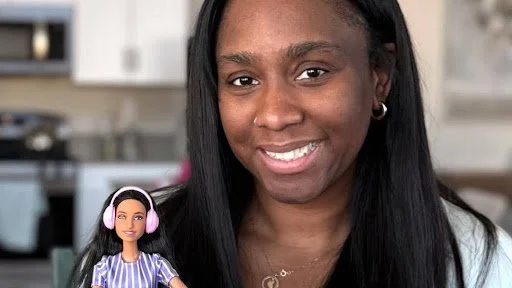
For the launch of the first Autistic Barbie, we worked with the Autistic Self Advocacy Network (ASAN), bringing community expertise and lived experience into the work.
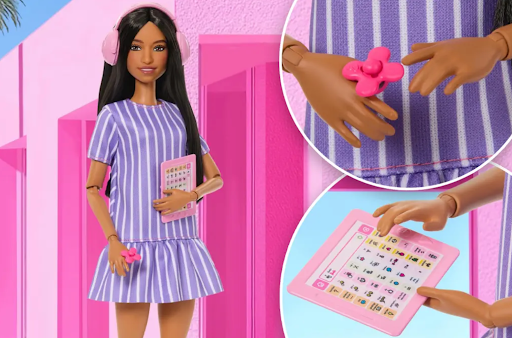
The doll included details that reflect experiences familiar to many autistic people, including noise-canceling headphones, a communication device, and a fidget spinner. But those details were only part of the story.
I wanted the creative to recognize that people experience autism differently, and that the community should have a voice in how the doll was introduced.
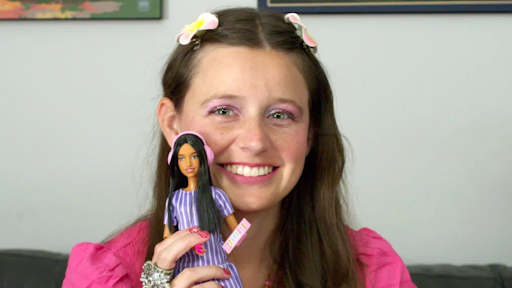
We brought autistic advocates and community members into the storytelling, sharing their experiences and what representation meant to them. And we extended that thinking into the creator experience, including sensory-conscious kits with items like earplugs, communication cards, and other tools designed with the audience in mind.
Type 1 Diabetes Barbie
With the Type 1 Diabetes Barbie launch, we had another opportunity to connect representation with people's lived experiences.
We partnered with Breakthrough T1D, Peloton, and advocate Robin Arzón, creating a launch that brought the community into the moment rather than simply announcing a new product.
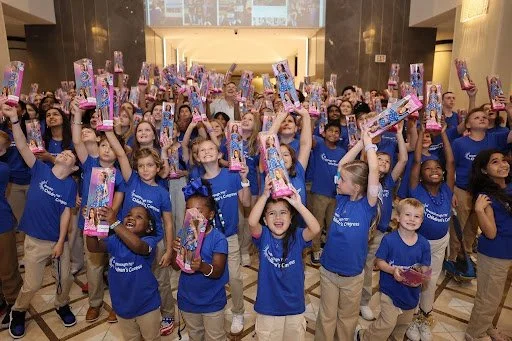
At a special Peloton x Barbie ride, Nadia, a 12-year-old girl living with Type 1 Diabetes, helped unveil the doll alongside Robin. We also celebrated advocates through one-of-a-kind dolls, including Robin and Lila Moss.
It was a chance to show what this kind of representation can mean to both children and adults who have their own relationships with Barbie.
Across these launches, I was looking at how all the pieces connected. The creative direction, the community partnerships, the advocates and creators, the launch experiences, and the stories we were putting into the world all needed to support the same intention.And because these were personal experiences we were representing, I wanted us to keep coming back to the people at the center of them. Not just what Barbie wanted to say, but what people wanted to share.
What I loved about these launches was seeing how personal the response became.
With Autistic Barbie, we heard from people who recognized details of their own experiences in the doll. Parents shared photos of children who reminded them of her. Autistic creators talked about what it meant to see themselves represented, and advocates helped bring their own perspectives into the conversation.
The response to the creator kits was especially interesting. People noticed the thought that had gone into the sensory-conscious details, and some even started asking where they could buy the kits themselves.
With Type 1 Diabetes Barbie, we saw similar moments of connection. People shared stories about their diagnoses, their children, and what it meant to finally see a Barbie with a glucose monitor and insulin pump.
And Nadia helping unveil the doll alongside Robin was such a meaningful moment. It brought the reason for the work right into the launch itself.
For me, those are the moments that matter. We can create the doll, the campaign, and the launch, but people bring their own experiences and meaning to it.
The Impact for Autistic Barbie
12.89B+
reported global earned media impressions
25.2M
organic social views in the first week
1.7B+
reported earned media impressions in the initial launch recap
The Impact for Type 1 Diabetes Barbie
1.04M+
organic social engagements in the first 24 hours
32.59M
estimated earned creator video views from the influencer kits in the first week
8,400
preorders reported, with retailers selling out on the first day
The reach was incredible, but what stood out to me was the response from the communities themselves.
People weren't just reacting to an announcement. They were sharing their own experiences, talking about what representation meant to them, and connecting with other people who understood those experiences.
And that matters from a business perspective, too. We're creating products people want, strengthening their relationships with Barbie, and finding ways for the brand to participate in conversations that are meaningful to them.
To me, the strongest representation work does both. It supports the business while respecting the people whose experiences are part of the story.
Building Foundation
One of the things I keep thinking about is how we can take this work further.
Creating a doll that reflects someone's experience is important. But what happens around that doll matters, too. What stories are we telling? Who are we working with? And are we thinking about the larger experience of the people we're trying to represent?
I've thought about this with other representation work, too. If we're introducing a doll with a different body type, for example, are we also thinking about the clothes and accessories available to that doll? Are we creating the same opportunities for play and self-expression?
And could some of those conversations lead to bigger partnerships? Could we work with brands that are thinking about accessibility and inclusion in their own products, and create something that goes beyond a single doll launch?
Those are the kinds of opportunities that interest me.
I don't think representation should be something we only think about when we're introducing a new product. There's an opportunity to keep learning from the communities we're connecting with and let that influence how Barbie develops its products, partnerships, and storytelling over time.
That's where I think the work can become even more meaningful. Not just helping people see themselves in Barbie, but continuing to create more ways for them to participate in everything the brand represents.
Type 1 Diabetes Barbie
What I loved was seeing how people took the idea and made it their own.
We gave guests ways to express themselves through the experience, and our creators brought their own personalities and interpretations of Barbie into the content they shared.
And the participation went well beyond what we'd planned. We had 17 contracted creators, each committed to one post. Together, they ended up producing around 600 pieces of content mentioning Barbie. We saw people sharing their experiences across TikTok, Instagram, YouTube, and other platforms, including longer recaps after the festival itself.
Olandria became a particularly important part of the conversation. She was an emerging talent when we partnered with her, and the response showed why choosing creators for cultural relevance and fit matters. You can see how her career has grown since!
For me, that was a very exciting part of this work. We created the environment and the idea, and people brought their own stories to it.
-
With the launch of Barbie's first doll with Type 1 diabetes, we had another opportunity to help children and families see their own experiences reflected in the brand.
Working with Breakthrough T1D, the goal was to introduce a doll that represented a real part of everyday life for people living with the condition, and to make that representation meaningful to the community.
-
We wanted the launch to go beyond introducing a new doll. It was an opportunity to bring people living with Type 1 diabetes into the experience and let their own stories help communicate why this representation matters.
-
We partnered with Breakthrough T1D, Peloton, and advocate Robin Arzón to introduce the doll through a special Peloton x Barbie ride.
One of the most meaningful moments was when Nadia, a 12-year-old girl living with Type 1 diabetes, helped unveil the doll alongside Robin. We also celebrated advocates through one-of-a-kind dolls, including Robin and Lila Moss.
-
What stood out was how personally people responded.
Children and families shared their excitement about seeing a Barbie with a glucose monitor and insulin pump. Adults shared stories about their own diagnoses and what it meant to see those experiences represented in a doll they had grown up with.
Those reactions showed how something as familiar as Barbie could create a very real connection with people whose experiences hadn't previously been reflected in the line.
The Impact
8,400
preorders reported across Amazon and Walmart
Sold Out
at retailers within the first day
8x
faster sales than the comparison Fashionistas doll
Beyond the initial response, the launch showed how meaningful representation can also translate into consumer demand.
For me, that's an important part of this work. We're creating opportunities for more people to see themselves in Barbie, while also building stronger relationships with audiences and supporting the business.
Building a Foundation
What interests me about these launches is how each one gives us another opportunity to learn from the communities we're representing.
The experiences are different, and the stories people want to tell are different. But the larger opportunity is to keep bringing those perspectives into how Barbie develops its creative, partnerships, and storytelling, rather than treating each launch as a standalone moment.
The Bigger Picture
I take business vision and turn it into one creative direction, then get agencies, teams, and executives behind it.
That's a big part of what my role at Barbie looks like. I'm responsible for brand creative and governance, but the work goes well beyond making sure everything looks and feels like Barbie. It's about understanding what we're trying to accomplish as a business, recognizing where the opportunities are, and figuring out how the brand should show up.
And the answer isn't always the same.
At Coachella, we needed to give people a reason to engage with Barbie on their own terms. That meant pushing for the right investment, building a creative strategy around self-expression, and bringing a lot of different teams and partners together to deliver it.
With representation, the opportunity was different. We needed to think carefully about whose stories we were telling and how we were telling them. Sometimes the most important creative decision is recognizing when the brand should give people the platform rather than lead the conversation.
Both approaches created meaningful connections with audiences and delivered measurable results for the business.
For me, that's what creative leadership is about. Understanding the business, knowing the audience, making the right decisions for the opportunity in front of you, and bringing people together to turn those decisions into work that matters.
And with a brand as established as Barbie, it's also about looking beyond the individual campaign. Every experience is an opportunity to learn something about the people we're connecting with and how the brand can continue to evolve.